From first MVP to a multi-tenant platform that scales, for software you plan to sell on subscription.
Software written for one company and a product sold to hundreds are very different things. SaaS development means thinking from day one about sign-up, free trials, subscriptions, invoicing, per-customer data separation and self-serve onboarding. That is how we approach web application development: we build a product you can sell from the first day and still carry comfortably in its second year.
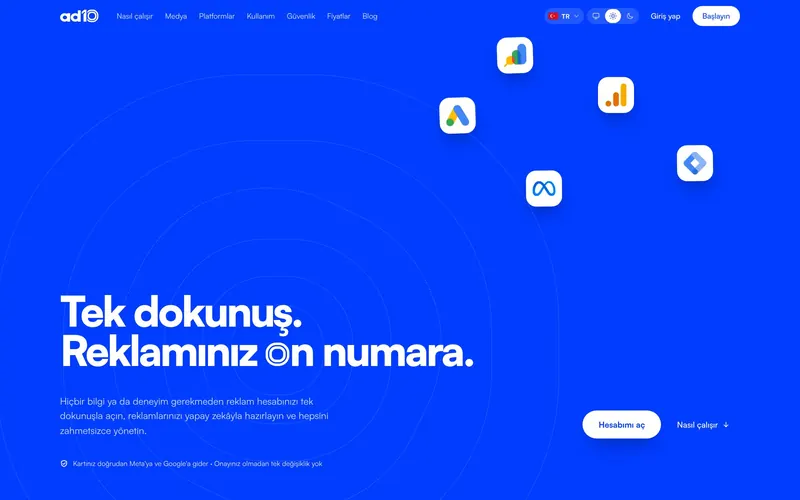
We build and run our own subscription products, including Rocketly CRM and ad10. So we know first-hand what it means to change a pricing plan, keep one customer’s data isolated from another’s, or ship a feature without disrupting hundreds of live accounts. We work with founders at the MVP development stage and with teams that need to rework a platform that has outgrown its foundations.
- 01Founders turning a business idea into a subscription software product.
- 02Industry specialists who want to turn years of domain knowledge into a vertical SaaS.
- 03Companies that built software for one client and want to resell it to many.
- 04Start-ups whose quickly built MVP is slowing down as it grows and needs a sounder architecture.
- 05Products expanding from Türkiye to the UK or Uzbekistan that need multiple languages and currencies.
- 06Agencies and consultancies looking for a white-label web platform to offer under their own brand.
What is SaaS, and what turns a web application into a product?
SaaS is the model where software is delivered through the browser on a monthly or annual subscription rather than installed. From the outside every SaaS is a web application, but not every web application is SaaS. The difference is whether the product can win and keep customers without anyone stepping in by hand: a visitor signs up alone, sees value during the trial, enters a card and picks a plan, invites the team and downloads invoices from the dashboard. Every link in that chain is design and engineering work.
So when we build subscription software, we also build the layers users never see: plan-based feature gates, usage limits, a dunning flow when a payment fails, cancellation and win-back steps, and a super-admin console where customer success can keep an eye on accounts. If these are missing from version one, the product looks like it works, but every new customer turns into manual work for the team.
How is a multi-tenant architecture built, and why does it matter from day one?
In a multi-tenant architecture every customer shares the same application, and usually the same database, yet none can see another’s data. Enforcing that separation only in application code is risky: a single forgotten filter can show one customer’s records to another. We push the separation into the database itself with PostgreSQL row-level security policies and run every query in a tenant context. Platforms such as Supabase support this model natively.
On top of tenancy we add organisations, teams and roles, audit logs, per-tenant settings and feature flags. We leave the doors open from the start for the requests enterprise customers bring, such as single sign-on, custom domains or a separate data region. We use Next.js and TypeScript for the front end, Vercel or Cloudflare for hosting and a queue-based setup for background jobs, so one customer’s heavy workload never slows down the rest.
From MVP to first paying customer: timeline and roadmap
An MVP is not a smaller version of the product; it is the version that tests the riskiest assumption by the shortest route. For most SaaS ideas, that assumption is simple: will the target customer pay to have this problem solved? So in the first release we build one core workflow end to end and leave everything else for later. Authentication, tenant separation and payments, however, must be complete even in an MVP, because they are the most expensive pieces to retrofit.
The usual flow is a few weeks of product definition and foundations, then a period of building core features and opening a private beta, then a public launch. A well-scoped MVP typically reaches its first users within a few months. Launch doesn’t mean the product is finished; the real work starts with a steady release cycle in which usage data tells you which feature to build next.
Common SaaS mistakes, and the signs of a healthy product
The costliest mistake is postponing tenant separation and subscription logic; adding them once the product takes off often means relaying the foundations. The second is building every prospect’s special request into the product, until the SaaS turns into a consulting project that fits nobody well. The third is treating pricing as separate from engineering, when plan limits, usage metering and upgrade flows all live in the code.
The signs of a healthy SaaS are measurable: a new user reaches a first meaningful result without talking to anyone, the dashboard shows exactly where people drop off, new features ship without interrupting live accounts, and support requests grow more slowly than the customer base. Our background in media and sales means we read these metrics with a commercial eye as well as a technical one, and shape the roadmap with you accordingly.
- 01Product scope and MVP plan
- 02Multi-tenant data architecture
- 03Sign-up, trial and onboarding flow
- 04Subscription, plan and billing infrastructure
- 05Super-admin console and product metrics
- 06Public API and webhooks
We run SaaS products of our own
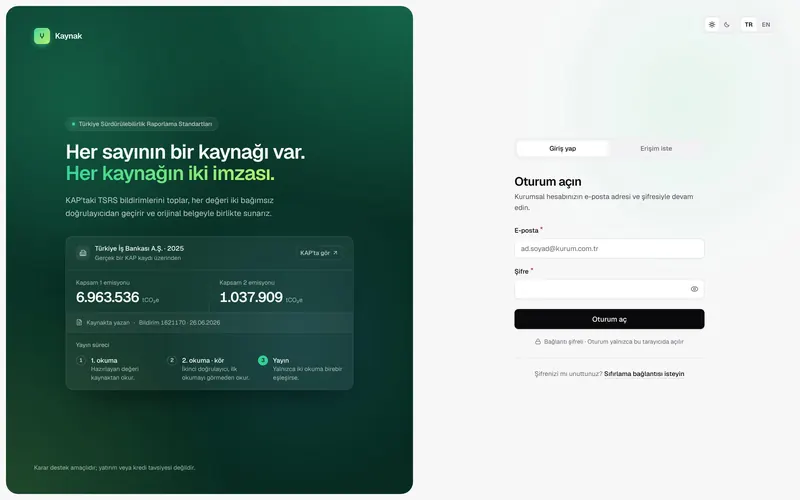
We build and operate Rocketly CRM, ad10 and Kaynak, now in private beta. Renewals, plan changes, per-tenant support and shipping to production are everyday work for us, and the architecture we hand over is one we run ourselves.
A commercial point of view
With more than twenty years in media, sales and P&L leadership, we treat your product not as a feature list but as a business with pricing, sales channels and unit economics.
Ready for more than one market
We serve work in Türkiye, the UK and Uzbekistan. Multilingual interfaces, multiple currencies, tax rules and local requirements such as e-Fatura are designed into the architecture from the beginning.
You keep the product and the IP
The repository, cloud accounts, payment setup and domains are all created in your name. We deliver a documented product that holds up to investor due diligence and that your own engineering team can take over.
Product definition
We write down the target segment, the one core problem to solve, the pricing hypothesis and the shortest feature list that gets you to a first paying customer.
Architecture and foundations
We set up tenancy, authentication, the role model, subscription infrastructure and environments, making the decisions that would otherwise force a rewrite later on.
MVP and private beta
We finish the core features, open the product to a limited group of real users, collect usage data and feedback, and reset priorities based on what we learn.
Launch and growth cycle
We go live with open sign-up, then keep developing the product on a steady release rhythm guided by activation, conversion and churn metrics.
The cost of a SaaS product is driven by how broad the assumption tested in the first release is. Before quoting, we discuss your target segment, the core workflow, role and plan structure, payment provider and invoicing needs, integrations, the number of languages and markets, and how we will work together after launch. We then set out the MVP scope, later phases and timeline as separate items in writing, so you can stage the investment and decide at each step.
Let’s talk about this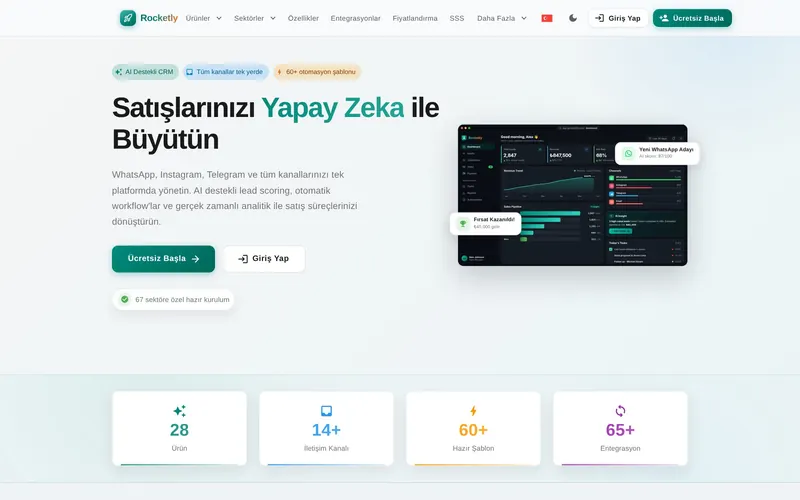
It depends on the complexity of the core workflow, integrations and payment requirements. A tightly scoped MVP usually opens to a private beta within a few months. At the end of product definition we share a phased, written timeline, and after launch we carry on with a regular release rhythm.
An MVP is the leanest version of a product that tests its riskiest assumption with real users. It should run one core workflow end to end, while sign-up, authentication, per-customer data separation and payments must be complete. Reports, advanced settings and secondary features can wait until the first feedback is in.
It is a setup where all customers share the same application and infrastructure while each one’s data stays isolated from the others. It lets you maintain and update from a single place and keeps costs down. We enforce isolation at the database level with PostgreSQL row-level security, and keep the option of dedicated databases open for enterprise customers.
We set up recurring card billing, trials, plan upgrades and refunds with domestic and international payment providers. For customers in Türkiye we can automate e-Fatura or e-Arşiv invoices after each payment, and we define currency and tax rules separately for each market you sell into.
We use Next.js, React and TypeScript on the front end, Node or Python on the back end, and PostgreSQL, with Supabase where it fits, for data. For hosting we recommend Vercel or Cloudflare. These are mature, widely used technologies that support fast development and make it easy to hire developers later.
We design for it. The application layer runs on managed infrastructure that scales horizontally, heavy work runs in the background through queues, and database indexes and queries are monitored per tenant. When growth comes, you strengthen the part that becomes a bottleneck rather than rewriting the platform.
Yes. We start by reviewing the code, data model, security settings and infrastructure, and give you a written assessment. We then prioritise what to keep and what needs rebuilding. Improving step by step without disrupting live users is usually far less risky than starting again from scratch.
Yes, where it saves users real work. We add features such as document reading and classification, summaries and suggestions based on records, an assistant that answers questions from the user’s own data, or lead scoring, in a way that respects tenant isolation and keeps usage costs under control.
You do. The repository, cloud and payment accounts and domains are opened in your company’s name, and all intellectual property is assigned to you. We leave documentation on architecture, setup and the release process, so the product can be handed over cleanly during investor due diligence or when you build your own team.
I usually reply within 24 hours.