From process analysis to AI strategy: a prioritised roadmap, a measured pilot and a controlled rollout.
In digital transformation and AI consulting we start with the company, not the tools. We look at processes where they actually happen, check where the data lives and how clean it is, and score dozens of possible use cases on business value, feasibility and risk. The result is a phased roadmap leadership can actually decide on, with an owner and a metric for every step.
More than 20 years in media, sales and P&L leadership mean we frame enterprise AI around revenue, cost and the daily load on teams. Because we build and run our own products, among them Rocketly CRM, ad10, Kaynak and Tercih Robotu, our advice doesn’t stay on a slide: we can take the pilot live ourselves or leave your team a detailed delivery plan.
- 01Leadership teams with an AI budget but no clear place to start.
- 02Companies whose staff already use ChatGPT-style tools unchecked and need ground rules.
- 03Groups looking for a shared AI strategy across several companies.
- 04Teams that want to cut repetitive work in customer service, sales or operations.
- 05Organisations whose pilots went nowhere and who want to understand why.
- 06Regulated businesses that are cautious about AI because of data protection rules.
What AI consulting is, and the problem it solves
AI consulting is the work of deciding where, how and with what risk a company should use AI. In most businesses the problem is not access to the technology; the tools are already there. The problem is not knowing which of dozens of possible use cases will actually save money or time, starting projects before the data is ready, and never defining what success looks like.
We treat AI transformation as a business change, not a technology project. More than 20 years in media, sales and P&L leadership mean we start the conversation with the sales funnel, operating costs and how teams actually spend their day, not with models and tools. Enterprise AI only sticks when it is built into those real workflows.
We are also a team that builds and runs its own products. We built, and keep running, the AI features that read and classify conversations in Rocketly CRM, turn ad management into a chat in ad10 and ground answers in source documents in Kaynak. That is why our recommendations hold up in practice.
In practice: from process analysis to AI strategy
We begin by interviewing leadership and teams and looking at processes where they happen. Which tasks are done by hand, which knowledge disappears into email threads, which decisions are made on gut feel? At the same time we look at the data: where it sits, how clean it is and who can access it. That assessment shows the company’s AI maturity and a realistic starting point.
Next we score use cases on business value, feasibility, data readiness and risk, and turn them into a roadmap. The AI strategy document states which problems can be solved with off-the-shelf tools and which need custom work, which data must never leave the company, and the rules staff follow when using generative AI tools. That is how generative AI adoption moves from scattered experiments to a managed programme.
On the digital transformation side, we also write down the groundwork that has to happen before AI: approval flows that still run on paper or spreadsheets, ERP, CRM and accounting systems that don’t talk to each other, reports nobody owns. Often the quickest win isn’t AI at all but cleaning up that sprawl, which is why the roadmap spells out what has to come first.
How the engagement runs: pilot, measure, scale
Assessment and prioritisation usually take a few weeks and end with a roadmap presented to leadership. Then we design a pilot around one or two use cases with the highest value and lowest risk. Before the pilot starts we write down the measurement framework: how long the task takes today, what the error rate is, how long customers wait. Without that baseline, nobody can talk honestly about results.
The pilot goes live with real users within weeks. During that time we train the team, gather feedback and report to leadership weekly. If the pilot hits its target, we prepare the rollout plan: which departments come next, which integrations are needed, who owns it. If it misses, we say so plainly, document why and clear the way for the next candidate. In digital transformation work, an honest “no” is a useful outcome too.
Each stage ends with a decision meeting with leadership: continue, adjust or stop. That rhythm stops budget from flowing into a project that isn’t delivering for months on end, and breaks the transformation programme into concrete milestones a board can follow.
What good looks like, and the mistakes to avoid
The most common mistake is picking a tool and then looking for a problem. Projects that start with “let’s build a chatbot” tend to end with a screen nobody uses. The second is leaving data privacy until last; if it isn’t clear from the start when personal data may be processed or transferred abroad under KVKK and similar rules, the project stalls with legal. The third is leaving staff out of the process: a team worried about its jobs won’t use even the best tool.
In a good transformation every use case has an owner, a metric and a budget. AI output goes through human approval, it is written down which decisions may be automated, and teams use the tools because they make their own work easier. In the end, leadership can see in a single report where the AI spend went and what it returned.
Another common mistake is every department buying its own tools. Before long there are three subscriptions doing the same job, three different data policies and a cost picture nobody can see in full. A shared AI strategy is the cheapest insurance against that kind of sprawl.
- 01Process and data-readiness assessment
- 02Scored list of AI use cases
- 03AI strategy and roadmap document
- 04Generative AI usage policy built around data protection rules
- 05Pilot design with a measurement framework
- 06Team training and rollout plan
Business first, technology second
With more than 20 years in media, sales and P&L leadership, we start from revenue, cost and the daily load on teams rather than from models. Every use case we recommend comes with a business case.
We build AI products ourselves
We built and run AI features in Rocketly CRM, ad10, Kaynak and Tercih Robotu. We know from experience what works in production and what only works on a slide.
Strategy and delivery at one table
The team that writes the roadmap can also take the pilot live. The report never ends up in a drawer: we either do the build ourselves or leave your team a detailed delivery plan.
Three markets, local rules
Based in Istanbul, we serve work in Türkiye, the UK and Uzbekistan. Different frameworks, such as Türkiye’s KVKK and UK data protection rules, are built into the strategy from the start.
Assess
We interview leadership and teams, watch processes where they happen, and map where the data sits, how clean it is and who can reach it.
Prioritise
We score use cases on business value, feasibility, data readiness and risk, and present leadership with a phased roadmap that explains every choice.
Pilot
We take one or two high-value, low-risk use cases live with real users within weeks, measured against a baseline recorded before anything changes.
Scale
We roll successful pilots out to more departments, settle integrations and ownership, and review the results with leadership every quarter.
Scope depends on company size, the number of departments and processes in play, the state of your data infrastructure and whether the pilot needs custom development. A company that only wants an assessment and AI strategy needs something very different from a group that wants to go all the way to a live pilot and rollout. So we start by listening to your goals, then send a written, phased proposal showing the deliverables and duration of each stage.
Let’s talk about this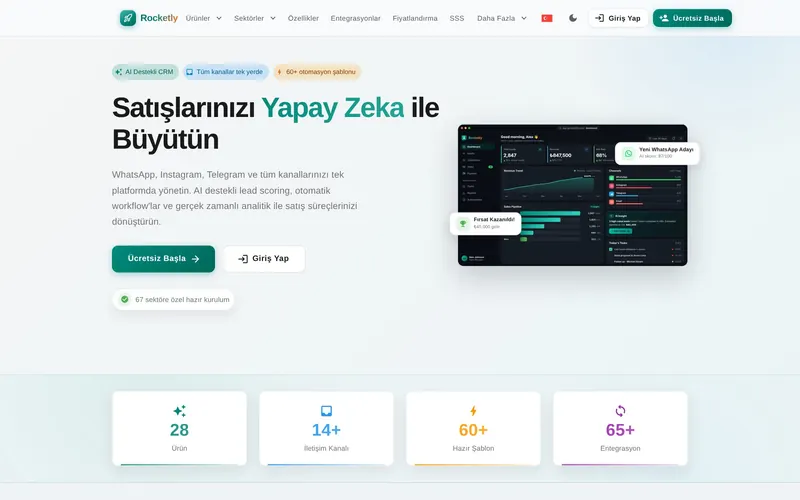
They study a company’s processes and data, find where AI will genuinely create value and rank those opportunities. Then they design the pilot, set success metrics, manage risk and data privacy, and train the team. A good consultant doesn’t sell tools; they tell you honestly which problems AI should solve and which it shouldn’t.
Start with work that is repetitive, high-volume and easy to measure: answering customer questions, drafting quotes, summarising documents or making internal knowledge easier to find. Data in these areas is usually ready, risk is low and results show up within weeks. An early win builds the trust and budget for what comes next.
Assessment and roadmap usually take a few weeks, and the first pilot goes live within weeks too. Rolling out across the whole organisation can take months, depending on company size and the number of use cases. We set it up as a programme that is measured and reviewed every quarter, not a one-off project.
We start by classifying which data is personal and which tools it may be sent to. Cross-border transfers, consent and notice requirements are assessed, and where needed we recommend solutions that mask data or keep it in-house. We work alongside your legal team and draft a written usage policy for staff.
Yes, as long as the rules are clear. We document which tools are approved, what information must never be entered into them and when output needs a human check. With business accounts, access management and short hands-on training, generative AI stops being a hidden risk and becomes a measurable productivity tool.
Starting with an off-the-shelf tool is often right: it’s fast and tests the idea cheaply. Custom work makes sense when you need to use company-specific data, connect to existing systems or keep data in-house. In the strategy phase we make that call for each use case and explain the reasoning.
Before each pilot we record a baseline for the use case: task time, error rate, response time or conversion. We track the same metric throughout the pilot and compare it with total cost. Results go to leadership in a regular report, so budget decisions rest on data rather than guesswork.
In the programmes we design, the goal is to remove repetitive tasks, not people. AI drafts, classifies and summarises; a person makes the final call. We involve teams from the start, train them and plan together how the time saved goes back into customers or higher-value work.
If you want us to, yes. Because we build products ourselves, we can deliver the pilot and the work that follows. If you have your own engineering team or an existing vendor, we hand them a detailed delivery plan and technical spec, and can keep steering the work if needed.
I usually reply within 24 hours.